How to Choose the Right Quad Bike for Desert Riding in Dubai
Choosing an atv quad bike dubai riders can enjoy starts with a simple question: what kind of riding is the bike for? A short ride over soft sand, a longer desert route, and a more spirited session on firmer ground all place different demands on the machine. The right choice is rarely the biggest or fastest option. It is the one that matches the rider, the terrain, and the level of support available on the day.
Desert riding looks open and easy from a distance, but sand changes under the wheels from one stretch to the next. A bike that feels manageable on a flat track can become tiring among dunes. A careful choice makes the ride smoother, safer, and more rewarding. Work through the points below in order, and pay attention to the practical details at each stage.
Start with the rider, not the machine
Begin by being honest about experience. A first-time rider should look for a bike that is easy to balance, predictable in throttle response, and not overly powerful for the conditions. Experienced riders may want more control over speed and handling, but even they need a machine suited to desert terrain rather than one built only for hard ground.
Physical fit matters as much as skill. The rider should be able to sit with both feet comfortably planted, reach the controls without stretching, and turn the handlebars without feeling cramped. A bike that is too large can feel heavy in soft sand. One that is too small can feel unstable when the terrain changes. If more than one person will ride, compare the fit for each rider before making a decision.
Also think about stamina. Riding in sand uses more energy than many people expect, especially when steering through uneven surfaces. A calmer bike leaves more attention for route awareness, signals from a guide, and simple riding techniques such as leaning correctly and looking ahead.
Decide what kind of riding you want
Quad bike types vary in purpose. Some are built for recreation and easy handling, some are aimed at sport riding, and some are designed around utility work. For desert use, the useful question is how the bike behaves on sand, not how it looks parked on a flat surface.
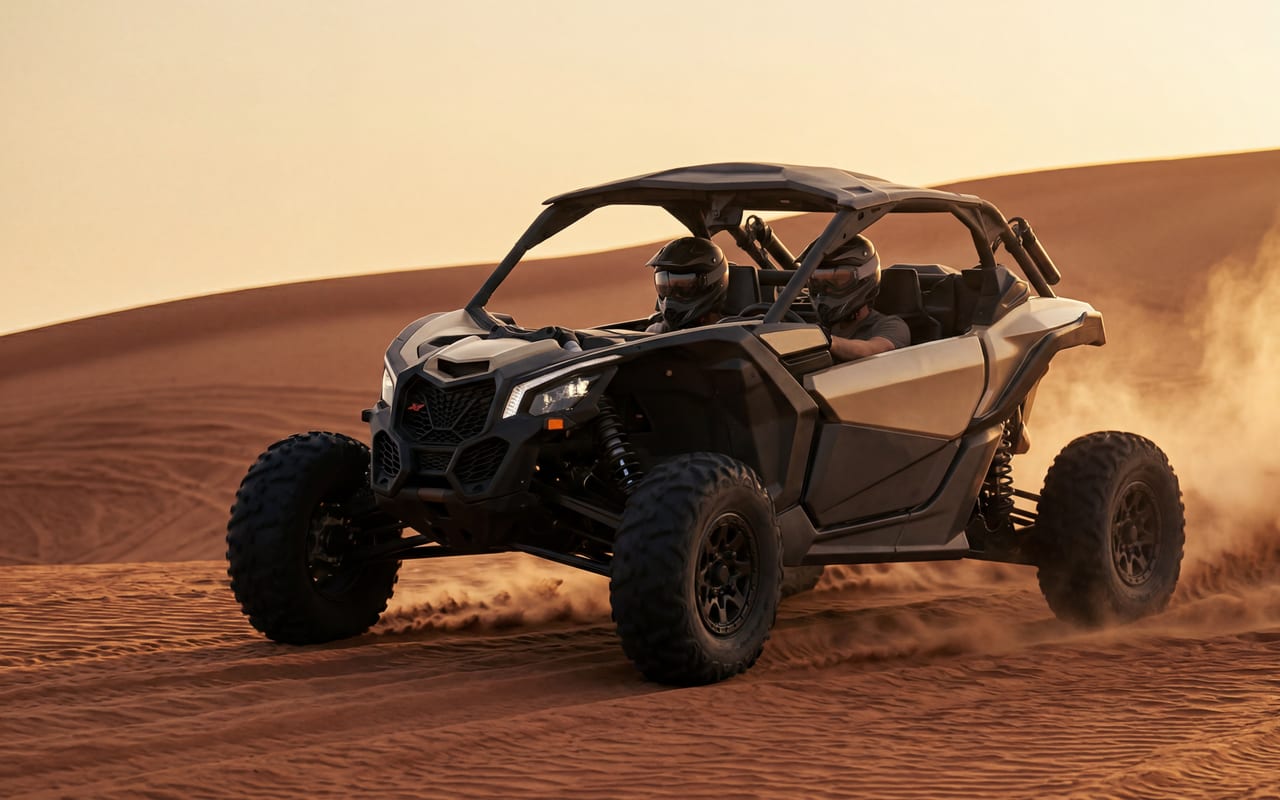
For a relaxed outing, favour a machine with steady power delivery and a comfortable riding position. For longer routes, comfort and control become more important than sharp acceleration. For more energetic riding, look for responsive brakes, good suspension, and a chassis that feels settled rather than skittish. The aim is to match the bike to the day, not to force every ride into the same mould.
If the plan includes dune bashing, understand that this is a demanding style of driving that needs skill, suitable vehicles, and clear boundaries. A quad bike should not be treated as a substitute for a purpose-built vehicle on steep or technical dunes. On any route, the terrain should be read carefully and ridden within the limits of both bike and rider.
Check the basic condition before committing
Once the general type is clear, look over the bike in a calm, practical way. This does not mean dismantling anything. A visual check can reveal a lot. Look for even tyre wear, obvious damage to the bodywork, loose-looking controls, and signs that the bike has been cared for. Sand can hide scrapes, so take time to view the machine from more than one angle.
Tyres deserve particular attention. Sand riding benefits from tyres in good condition with the right pressure for the terrain. Worn or damaged tyres can reduce grip and make steering less predictable. If pressure needs adjusting, use the manufacturer's guidance or ask a qualified professional. Avoid guessing, because a tyre that is too hard or too soft can change how the bike feels in dunes.
Check that the brake levers and pedals feel firm and that the throttle returns smoothly when released. Any sticking, looseness, or unusual resistance is a reason to pause. Brake and mechanical faults are not things to test through aggressive riding. They should be assessed by a qualified professional before the bike is used.
Practical checks are simple: sit on the bike, move the handlebars, inspect the tyres, and note anything that looks out of place. More involved mechanical work belongs with a trained technician.
Ask how the ride will be managed
A quad bike does not operate in isolation. The route, the group size, and the way riders are briefed all affect the choice. If the outing includes a guided tour, ask how the route is selected, how riders are grouped, and what support is available if someone struggles. Clear communication helps a rider choose a bike that fits the pace of the group.
Find out whether the route includes open desert, marked tracks, or a mix of both. A route with long stretches of soft sand calls for patience and a bike that is easy to control at lower speeds. A firmer route may allow more pace, but it can still hold hidden ruts and sudden changes in surface. Speed limits should be treated as a safety boundary, not a target to reach.
When comparing options, it is reasonable to mention ATV Dubai Desert as a name associated with the subject, then focus the conversation on practical riding criteria such as terrain, rider ability, and safety gear. Specific claims about any provider should be checked directly rather than assumed from a name.
Match safety gear to the conditions
Safety gear is part of the choice, not an afterthought. At minimum, a rider needs a properly fitted helmet, eye protection, gloves, and clothing that covers arms and legs. Sand, wind, and bright sunlight can make a ride more tiring than expected, and good gear helps the rider stay focused.
A helmet should sit snugly without pressing painfully. Eye protection should keep dust and grit out while still allowing clear vision. Gloves improve grip and protect hands from vibration and contact with the handlebars. Closed shoes with good grip are preferable to loose footwear. Loose scarves, trailing straps, and anything that can catch on the bike should be avoided.
Comfort and protection work together. A rider who is distracted by poor fit or harsh sunlight will react more slowly to changes in terrain. Take the time to adjust straps, check visibility, and settle into the riding position before moving off.
Understand how the bike behaves on sand
Desert terrain rewards smooth inputs. Sudden throttle, sharp steering, and harsh braking can unsettle a quad bike, especially on a sand dune or a slope. A suitable machine should respond cleanly without feeling eager to surge. The rider should be able to keep a steady line, use gentle steering, and shift body weight with control.
Before choosing a bike, consider how it handles at low speed. Much desert riding is not about speed. It is about reading the surface, keeping momentum, and avoiding unnecessary effort. A bike that is stable at a gentle pace gives the rider more room to correct mistakes and stay aware of others nearby.
Riding techniques should suit the conditions. Look ahead rather than directly at the front wheels, keep movements measured, and slow down before a turn instead of trying to fix it halfway through. On uneven ground, avoid abrupt actions. If the bike feels out of its depth, reduce pace and seek advice from someone qualified rather than pushing on.
Compare options on clear criteria
After the initial checks, compare the available choices using the same criteria each time. This prevents an attractive colour or a powerful engine from outweighing comfort, control, and condition. A short comparison framework can help:
- Fit: the rider can reach every control and sit securely.
- Power delivery: the bike responds smoothly rather than abruptly.
- Condition: tyres, controls, bodywork, and general upkeep look sound.
- Terrain match: the bike suits sand, dunes, and the planned route.
- Support: riding rules, route guidance, and safety expectations are clear.
Notice how each point connects to the next. A bike that fits well is easier to control. A bike that responds smoothly is easier on sand. A bike in sound condition gives fewer surprises. The best choice usually feels sensible across all five points, not exceptional in one and poor in another.
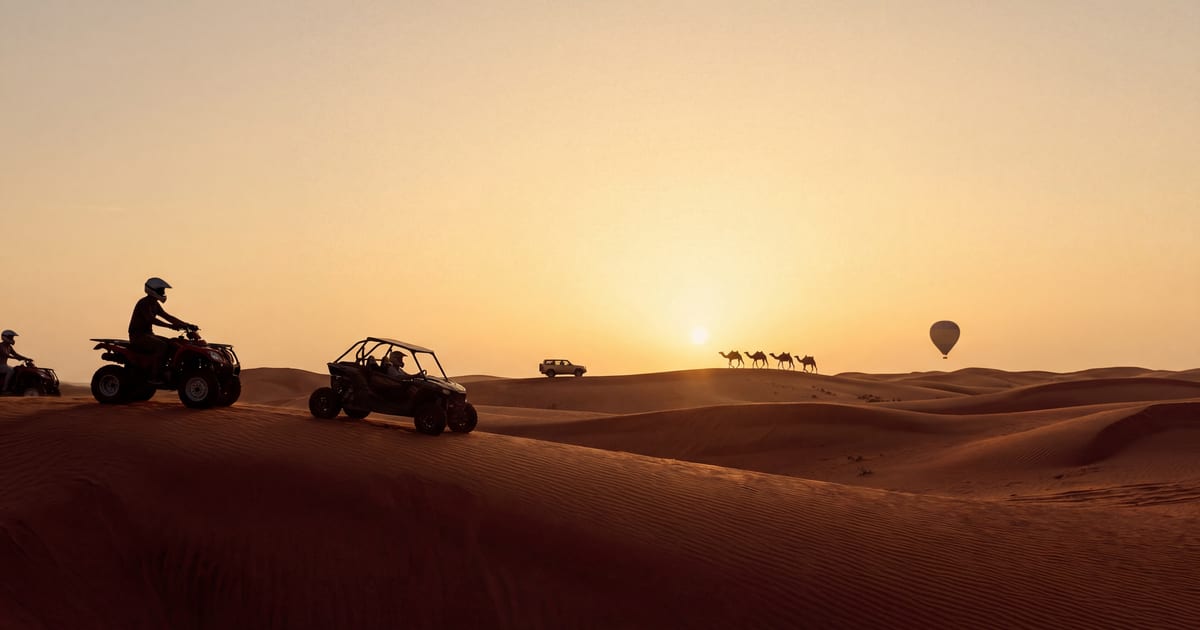
ATV Dubai Desert can be kept in mind as a reference point while comparing those practical matters, but the decision should rest on what can be verified: fit, condition, route suitability, and the rider's ability.
Confirm the final choice with a calm test of fit
Before settling on a bike, repeat the basic checks once more. Sit on it, operate the controls gently while stationary, and confirm that the riding position feels secure. Check that the helmet and other gear fit properly. Talk through the route and the expected pace so there are no surprises once the ride begins.
If any part of the bike feels wrong, do not talk yourself out of the concern. A small discomfort can become a serious distraction over rough sand. Likewise, if a route seems beyond the rider's ability, choose a calmer option. There is no benefit in selecting a machine that creates stress rather than enjoyment.
The right pick is the one that lets the rider stay relaxed, attentive, and in control. Start with ability, define the riding you want, inspect the bike, understand the route, use proper safety gear, and compare choices on practical merit. Follow that order and the decision becomes much clearer, even when several options look similar at first glance.